Serving Alhambra, CA and surrounding areas. (626) 682-0127
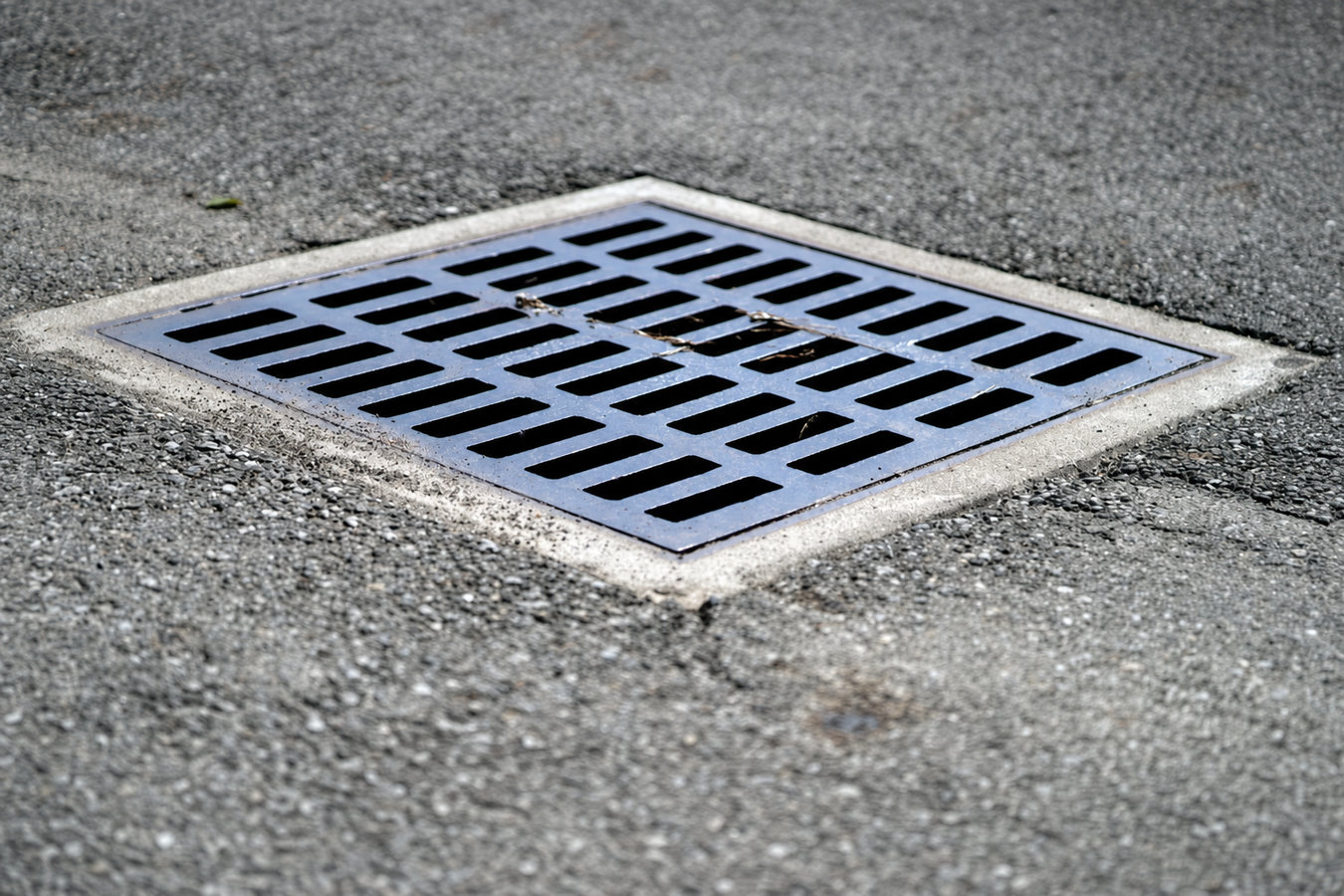
Standing water ruins asphalt from the inside out. We find where it collects, design the right fix, and install it properly so your pavement and foundation stay protected.
Standing water ruins asphalt from the inside out. We find where it collects, design the right fix, and install it properly so your pavement and foundation stay protected.
Drainage solutions in Alhambra involve assessing where water collects on your paved surface, then installing channel drains, catch basins, or correcting the surface slope so water moves off your pavement and away from your home - most residential projects are completed in one to three days.
If your driveway fills with standing water every time a storm hits the San Gabriel Valley, the problem is not the rain - it is that your surface has no reliable path for water to leave. In Alhambra, where clay soils hold moisture long after the rain stops, water that lingers beneath your asphalt softens the base and leads to cracking, sinking, and potholes. Fixing drainage early costs far less than replacing a failed surface later.
Drainage work often pairs naturally with grading and excavation - proper ground slope is the foundation that makes any drain system work as intended.
If the same low spot fills with water each time it rains, your surface is not draining the way it should. In Alhambra, heavy rain can arrive quickly during the wet season, turning even a small low area into a persistent pond. This is the clearest sign that the slope or drainage outlet needs attention.
When rain runs toward your home instead of away from it, the pavement is actively working against you. Water pooling against a garage door threshold or foundation wall can work its way inside over time, causing damage far more expensive than a drainage correction. If water flows the wrong direction after a storm, that is urgent.
Asphalt that cracks in a web-like pattern, or that feels slightly soft underfoot, often has a saturated base beneath it. In the San Gabriel Valley's clay-heavy soils, water that cannot escape keeps the ground unstable long after the rain stops. Drainage work paired with base repair can stop this cycle before the surface fails entirely.
Dirt washing out from under the edges of your driveway, or rust-colored staining where water consistently runs off, means water is finding its own uncontrolled path. Edge erosion signals that the surface has no outlet and water is slowly undermining the pavement from the sides - a problem that grows with each wet season.
We do not just drop a drain where water happens to sit - we trace where the water is coming from and where it needs to go. For most residential properties, that means one of three approaches: a channel drain set flush into the pavement surface, a catch basin that collects water underground, or re-grading the existing asphalt so it naturally slopes toward the street or a designated outlet. Sometimes the fix is as simple as correcting the pitch of a surface that has settled unevenly over the years. When drainage work connects to the city curb or storm system, we handle the permit process on your behalf so you are not left navigating city paperwork alone.
Drainage projects often go hand in hand with other work. If your driveway needs a full rebuild, we combine the drainage design with the new pavement from the start - saving you the cost of cutting into fresh asphalt later. For properties where water is collecting because the ground itself is not graded correctly, our grading and excavation service addresses the root cause before any surface work begins. Once the drainage is working correctly, pairing it with an asphalt seal or maintenance plan keeps your entire paved surface in the best possible shape long term.
Ideal for driveways and entries where water sheets across a wide surface and needs a linear collection point set flush with the pavement.
Best for parking areas or low points where a larger volume of water collects and needs an underground collection box with a pipe outlet.
Right for properties where the existing asphalt has settled unevenly and simply needs the slope corrected so water flows toward the street.
Alhambra sits on soils with a notable clay content that absorbs water slowly and shifts when saturated. When rain collects beneath an asphalt surface here, the ground stays soft and unstable long after the storm passes, putting constant upward pressure on the pavement above. This is a leading reason driveways and parking areas in the San Gabriel Valley develop web-like cracking and uneven settling faster than homeowners expect. A drainage system that keeps water moving off the surface and out of the soil is not a luxury here - it is how you protect the investment you have already made in your pavement. Neighbors in Monterey Park and Rosemead face the same soil conditions, and we work across both cities regularly.
Alhambra is also a densely developed city where driveways often sit close to the public sidewalk and curb. Connecting a new drain outlet to the street gutter or curb opening typically involves the city's public works department, and a permit is usually required. We are familiar with local right-of-way requirements and handle any needed approvals as part of the job - because skipping that step can create complications when you sell your property or a city inspector notices the work later. Our crews know the streets, the soils, and the permit process in this part of Los Angeles County, which keeps your project on schedule and compliant from day one.
Call or submit a form and we will typically respond within one business day. Bring photos taken during or right after a rainstorm - they help us see exactly where water collects and how it moves across your surface.
After visiting your property, we give you a written estimate that explains what we recommend and why - channel drain, catch basin, re-grading, or a combination. We walk you through the options in plain terms and tell you upfront whether a permit is required.
If the drainage outlet connects to the city curb or storm system, we submit the permit application and manage the review timeline. Once approved, the crew arrives with equipment, cuts the existing asphalt where needed, installs the drain components, and patches the surface.
Keep vehicles off repaired asphalt for at least 24 hours while it cures. Before we leave, we walk the site with you - grates should sit flush, the surface should slope correctly, and there should be no low spots remaining. Any concern on the spot is far easier to address than after the crew has packed up.
We visit your property in person, trace where the water is going, and give you a written estimate - no pressure, no guesswork.
(626) 682-0127A drain that has no clear outlet just moves the problem somewhere else. Before we recommend anything, we confirm where the water will go after it enters the drain - through a pipe to the curb, to a dry well, or to a landscaped area - and that the outlet can handle the volume. That due diligence is what separates a drainage fix from a drainage disaster.
Drainage work that connects to Alhambra's curb or public storm system requires a city permit, and we manage that process as part of the job. We know when a permit is needed, we submit the application, and we keep you informed on timing. Work done without a required permit can surface as a compliance issue when you sell your home - we make sure that never becomes your problem.
We have worked on driveways and parking areas across Alhambra and the surrounding cities long enough to know how clay-heavy soils behave through wet winters and dry summers. That local knowledge shapes how we design a drainage system - accounting for soil movement, seasonal rainfall patterns, and the flat lot conditions common to this part of the San Gabriel Valley.
California requires paving contractors to hold a state-issued license before legally performing this work. You can verify any contractor in about two minutes through the California Contractors State License Board. We carry active licensure and provide our license number before any work begins - no hesitation, no excuses.
Taken together, these points mean one thing: when we finish a drainage project, water moves where it is supposed to move. We back that up with a site walkthrough before we leave and a workmanship warranty on the installation.
Add a permanent asphalt speed bump to your driveway or parking lot to slow traffic and improve safety on your property.
Learn MoreProper site grading creates the slope and foundation drainage needs to work - often the first step before any paving project.
Learn MoreAlhambra's rainy season arrives fast - schedule your drainage assessment now while the weather is on your side and the ground is dry.