Serving Alhambra, CA and surrounding areas. (626) 682-0127
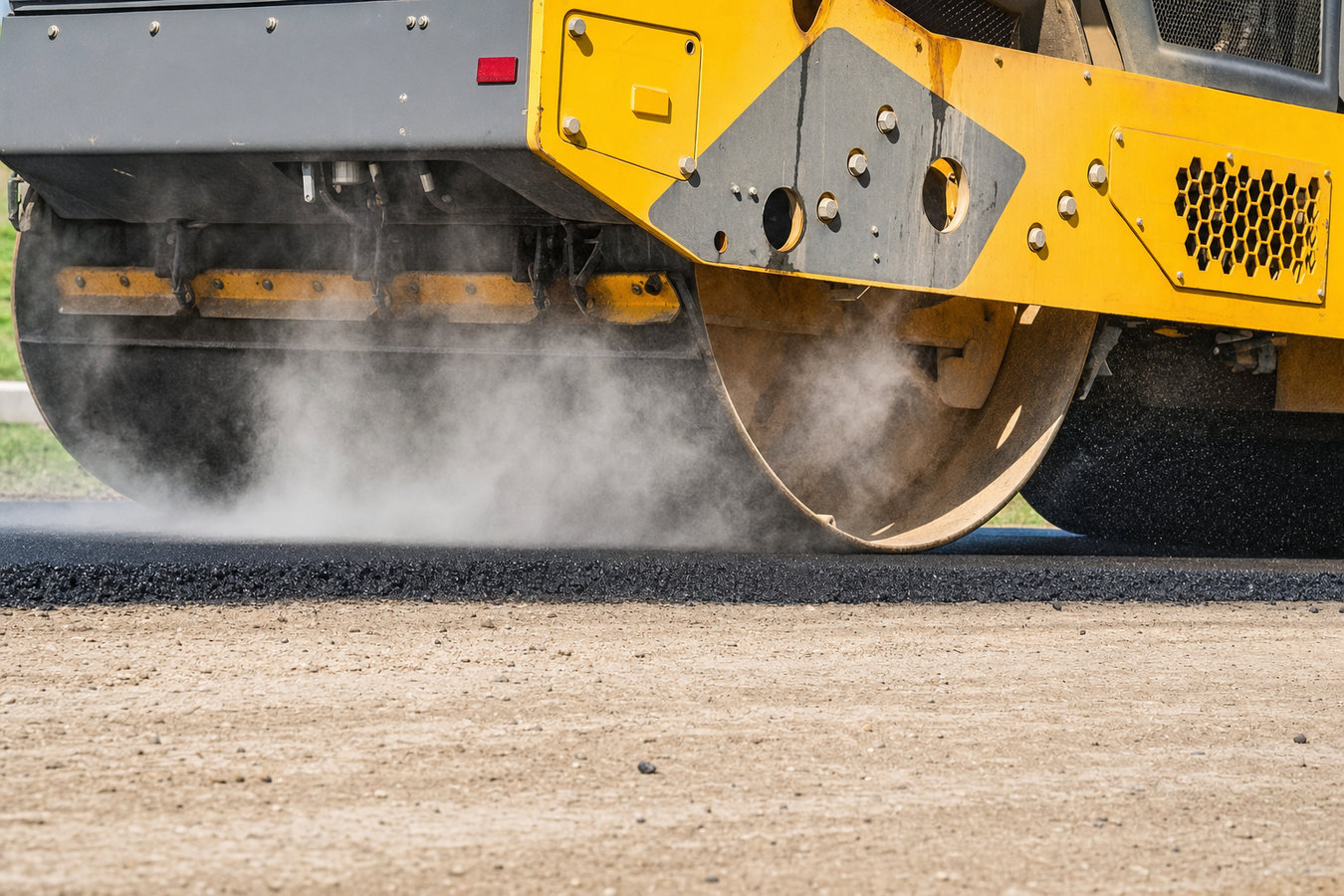
Years of Alhambra sun dry out asphalt from the top down. Milling removes that deteriorated layer, checks the base underneath, and gives fresh pavement a proper surface to bond to.
Asphalt milling in Alhambra means grinding down the top layer of a worn-out driveway or paved surface so fresh asphalt can be laid on a stable, properly textured base. A milling machine removes the damaged material to a precise depth, the ground-up asphalt is hauled away for recycling, and new hot-mix asphalt is laid and compacted - most residential jobs wrap up in one to two days.
The alternative - simply paving over the old surface - causes problems at garage doors, drainage edges, and curb transitions because the finished height ends up higher than before. Milling keeps the height consistent and ensures the new layer bonds to a clean surface rather than an oxidized, deteriorated one. If the base underneath is also compromised from soil movement, that gets addressed before new asphalt goes down. For a full resurfacing project where asphalt resurfacing is the goal, milling is typically the first step.
Milling makes sense when the surface has deteriorated but the base is still solid. If the base has failed, a deeper repair is needed first. A contractor who checks the base honestly before recommending a plan is the one worth calling.
When the edges of your asphalt start to break apart and a network of cracks spreads across the surface, the top layer has reached the end of its life. In Alhambra's climate, years of UV exposure and heat dry out the binder that holds asphalt together - this kind of surface deterioration is a clear sign the old layer needs to come off.
Puddles sitting in the same spots after every rain mean the surface has developed low areas - often from soil movement beneath it. Standing water accelerates damage by working into cracks and softening the base. Milling to a consistent depth and repaving restores proper drainage.
When asphalt feels spongy underfoot on a hot day, the binder has broken down and the mix has lost its structural integrity. This is especially common on older driveways in the San Gabriel Valley after many years of intense sun. A soft surface will rut under vehicle tires and will not improve without milling and repaving.
Multiple patch repairs over the years signal that the surface as a whole has deteriorated past the point where spot fixes make sense. At that stage, milling off the old layer and starting fresh with a uniform surface is more cost-effective than adding another patch to an already-patched driveway.
We handle residential and small commercial asphalt milling as a standalone service or as the first phase of a full repaving project. When milling is complete and new asphalt is compacted, we coordinate the finished transitions at garage doors, curbs, and any adjacent paved surfaces so there are no lips or steps that create trip hazards or drainage problems. For projects where drainage solutions are also needed, we address the water flow problem before paving so it does not undermine the new surface from day one.
The ground-up material from milling is loaded into trucks and taken to a recycling facility, where it gets processed back into new asphalt mix. Asphalt is one of the most recycled construction materials in the country, which keeps disposal costs lower and keeps old material out of landfills. For more on how reclaimed asphalt pavement is reused, the National Asphalt Pavement Association publishes industry recycling data and standards.
Best for homeowners whose driveway surface has deteriorated from sun, cracking, or repeated patching and needs a clean, uniform base before repaving.
Best when a new asphalt layer needs to be added without raising the finished height - milling removes the old material to make room for the new.
Best for projects where only the top one to two inches of asphalt have deteriorated while the lower layers and base remain solid.
Best when an existing driveway has been built up over multiple paving layers and the surface sits too high at the garage door or curb connection.
Alhambra sits in the San Gabriel Valley, where summer temperatures regularly push into the 90s and the sun beats down on paved surfaces for most of the year. Intense UV exposure oxidizes the asphalt binder - the material that holds the mix together and gives it flexibility. Once the binder dries out, the surface cracks and ravels faster than homeowners in cooler climates would expect. Alhambra does not have freeze-thaw cycles, but the expansive clay soils common in this area create their own kind of pavement stress: they swell during wet winters and shrink in dry summers, and that movement pushes up on the base beneath your driveway over time.
Southern California's drought-and-rain pattern also plays a role. Water finds its way into existing surface cracks, softens the base during wet winters, and then the surface dries and contracts again during the long dry season. By the time a driveway looks severely cracked, the base may already be compromised - which is exactly why a good contractor checks the base condition before recommending milling versus a deeper repair. Homeowners in Rosemead and El Monte face the same climate and soil conditions, and we work regularly in those areas. California's stormwater regulations also apply to paving projects near storm drains - more detail is available from the California Water Resources Control Board.
Call or fill out our contact form. Tell us the size of the area, how the surface looks, and whether there have been recent repairs. We reply within one business day and schedule a free on-site visit - no commitment required.
We walk the surface and probe or tap it to assess what the base underneath is doing. This step determines whether milling is the right solution or whether the base needs repair first. We explain what we find and why we are recommending what we are recommending - before you commit.
If any part of the work touches the public right-of-way, such as the driveway apron, we identify whether a permit is needed and handle the application. Once permits are confirmed and a date is set, you get a heads-up a day or two before the crew arrives.
The milling machine makes passes across your driveway and the ground material is loaded directly into trucks. Once the surface is swept clean, fresh hot-mix asphalt is spread and compacted. We walk the finished job with you to confirm transitions, edges, and drainage before leaving.
Free on-site estimate, honest base assessment, and a written quote before any work starts.
(626) 682-0127Some contractors quote milling without checking whether the base is still solid. We probe the base at the estimate visit and tell you honestly whether milling will solve your problem or whether a deeper repair is needed first. That conversation protects you from paying for work that will not hold.
We work in Alhambra and the surrounding San Gabriel Valley regularly, which means we understand how local UV exposure, clay soil movement, and seasonal rain cycles affect asphalt performance here. That local context shapes how we approach milling depth, base prep, and paving schedules.
The ground-up material is loaded into trucks and sent to a recycling facility - not left on your property or disposed of improperly. Responsible millings handling is both an environmental obligation and a legal one in California. Verify contractor license status any time at cslb.ca.gov.
Milling and repaving is only as good as the transitions at the edges - garage doors, curbs, and adjacent paved surfaces. We feather edges carefully and confirm the finished height works at every transition point before the crew leaves, so you do not end up with a lip or a drainage problem that was not there before.
Asphalt milling in Alhambra is not a one-size-fits-all job - the local climate, clay soils, and permit requirements all shape how the work should be planned and executed. We bring that local knowledge to every project, which is why customers in this part of the San Gabriel Valley call us back for additional work and refer neighbors our way.
Fixing the water flow problem before new asphalt goes down so runoff does not soften the base and undermine the new surface.
Learn MoreA fresh layer of asphalt over a sound base - the natural next step after milling has cleared the deteriorated top layer.
Learn MoreEvery season of sun and rain adds more damage to an oxidized driveway - call now and get a written quote while milling is still the right fix.